Wild Camping in Yorkshire: What’s Legal, Where You Stand, and How to Do It Right

Understand the rules of wild camping in Yorkshire and how to camp responsibly.

There’s nothing quite like waking up to mist rolling across the Yorkshire Dales or hearing curlews calling over the moors. Wild camping captures a real sense of freedom, but it also comes with responsibilities.

In this guide, we explain the legal position on wild camping in Yorkshire, how to camp responsibly, and how following Leave No Trace UK principles helps protect these landscapes for future generations.

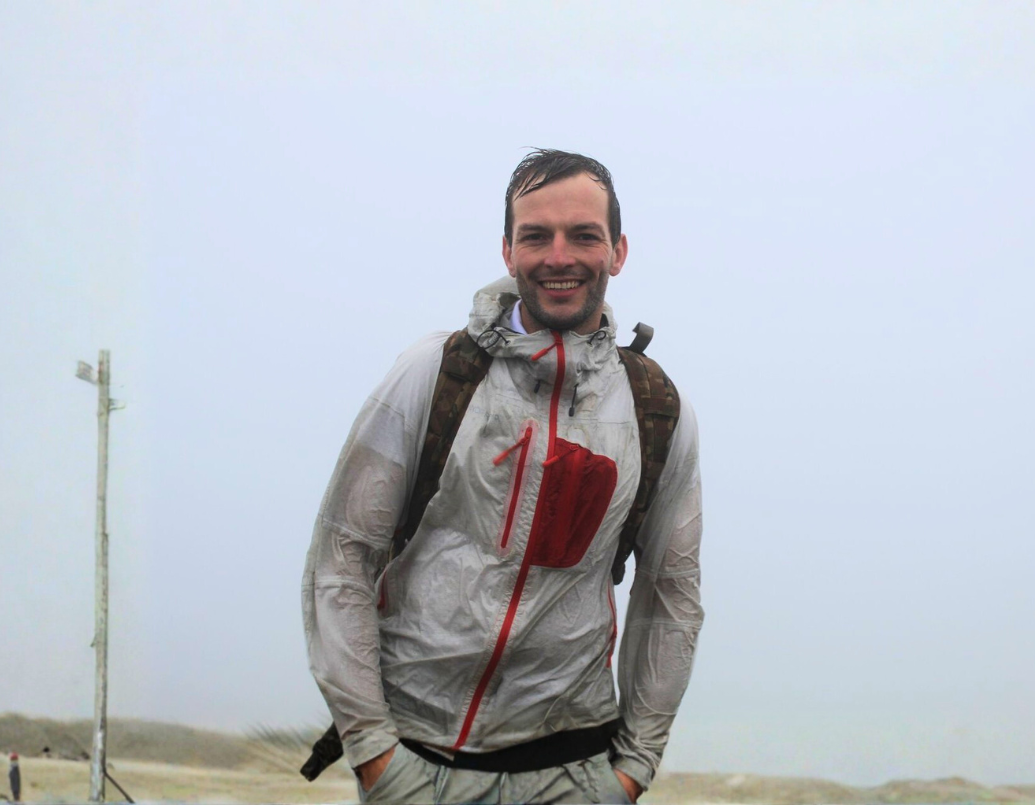
Jimmy

Jimmy’s top tip

“Unpack your tent at last light, and pack back up at first light.”

Is Wild Camping Legal in Yorkshire?

In short not without permission.

Across England, including Yorkshire, wild camping is technically illegal without landowner consent. This applies even in national parks such as the Yorkshire Dales and the North York Moors, where much of the land is privately owned.

  • Responsible, discreet camping is often tolerated in remote upland areas.
  • Arriving late, leaving early, and leaving no trace reduces the chance of issues.
  • You can still be asked to move on if permission hasn’t been granted.

Wild camping in Yorkshire is a privilege not a right and one we all need to protect.

Responsible Wild Camping: The Golden Rules

  1. Ask for permission where possible. Farmers and landowners often appreciate a polite request.
  2. Camp late, leave early. Pitch after sunset and pack up at dawn.
  3. Use a small, low-impact setup. Neutral-coloured tents, 1–2 maximum.
  4. No campfires. Fires are the leading cause of moorland wildfires.
  5. Take all waste home. Including food scraps, fruit peel and toilet paper.
  6. Stay quiet and invisible. Respect wildlife, livestock and other walkers.
  7. Leave no trace. Restore grass and ground before leaving.

Understanding the Leave No Trace Principles

  • Plan ahead and prepare.
  • Travel and camp on durable surfaces.
  • Dispose of waste properly.
  • Leave what you find.
  • Minimise campfire impact.
  • Respect wildlife.
  • Be considerate of others.

At Hike Yorkshire, these principles are taught and practised on every wild camping course.

Gear Tips for Responsible Wild Camping

  • Lightweight tent (under 1.5 kg) in neutral colours
  • 3-season sleeping bag and insulated mat
  • Compact stove (gas or spirit burner only)
  • 2L water bottle or filter system
  • Map and compass
  • Small zip-seal rubbish bag
  • Headtorch with red-light mode

When You Shouldn’t Wild Camp

  • During periods of high wildfire risk
  • On working farmland or near livestock
  • Near popular viewpoints or car parks
  • On SSSIs without explicit permission

Legal & Ethical Alternatives

Backpacker-friendly and eco-run campsites offer a legal way to experience wild-style camping while practising Leave No Trace principles ideal for beginners or multi-day treks.

Wild camping in Yorkshire is one of the purest ways to experience its landscapes but it’s built on trust. Camp discreetly, responsibly, and sustainably to preserve access for future explorers.

👉 Learn more or join a course at www.hikeyorkshire.com.